


Walnut is one of the most requested faces for premium interiors: wall paneling, cabinet fronts, reception desks, hospitality joinery and furniture. It is also easy to specify badly. Two panels sold as "walnut" can differ in species, color, grain pattern, core material and surface quality.
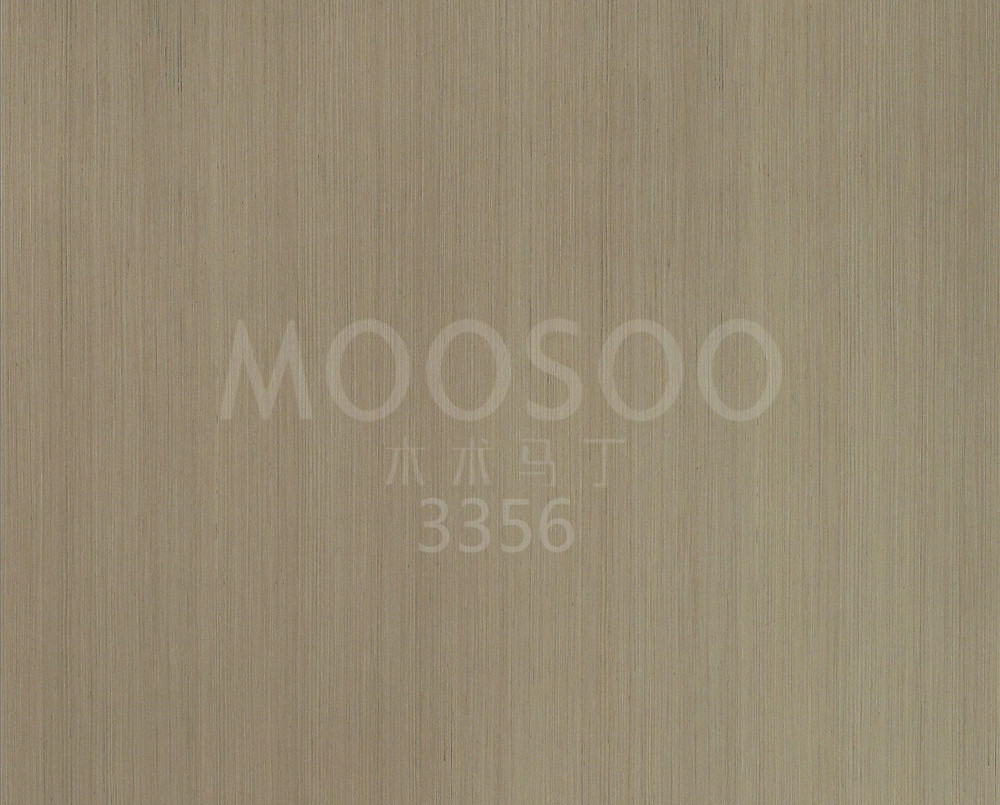 Walnut KD Panel, listed in the manufacturer's Technology Series.
What a "Walnut KD Panel" Is, and What the Product Page Doesn't Say
The Walnut KD Panel is listed under the manufacturer's Technology Series, the range of engineered wood veneer products. The company positions its engineered veneer around consistent quality, durability and a flawless finish. The product page itself has no specification table.
"KD" is also not defined there. In the timber trade the abbreviation is used for different things (kiln-dried material, or knock-down, meaning flat-pack, components). Before ordering, ask the supplier in writing what KD means for this product and what it includes in terms of face, core, thickness and edge treatment. It is a simple question, and the answer prevents most misunderstandings later.
Why Walnut Behaves Differently From Other Veneer Species
Walnut is popular because of its deep brown tone, which can range from chocolate to violet-gray, and its grain, which runs from calm and straight to dramatic cathedral and crotch figures. It also has traits you need to plan for:
- Natural color variation. Even within one tree, sapwood and heartwood differ sharply. Real walnut panels vary from piece to piece. Engineered and reconstituted products are made to reduce this, which is one reason buyers choose them for large, uniform surfaces.
- Light sensitivity. Walnut changes color over time under UV exposure. Panels near windows can shift in tone, so install and finish matched panels from the same batch together.
- Moderate hardness. American black walnut measures around 1,010 lbf on the Janka scale, harder than cherry and softer than hard maple or white oak. That is acceptable for wall paneling and casework. For worktops or flooring it needs a robust finish.
- Open grain. Walnut has visible pores. Decide early whether you want a natural open-pore look or a filled, high-build finish, because the choice changes the whole finishing schedule.
Natural vs. Engineered Walnut Veneer
The manufacturer organizes its range into a Natural Series, an Art Series and the Technology Series. This split is a useful way to think about your decision:
- Natural veneer is sliced from real logs. It offers authentic character but more variation and more sorting effort.
- Engineered veneer is manufactured to reproduce a species' look with a controlled color and grain pattern. It suits projects where many panels must match, such as hotel corridors, retail fit-outs and repeat furniture production.
Neither is better in the abstract. Choose natural if variation is part of the design intent, and engineered if repeatability and yield matter more. If you want to compare a sibling product, the Engineered Oak KD Panel sits next to the walnut panel in the same range.
Technical Checklist: What to Ask the Supplier
The table below is a general reference for veneered and engineered wood panels. The values are typical industry ranges, not the specifications of this product. Use the right-hand column as a list of questions, and fill in the real figures from the supplier's data sheet.
| Property | Typical reference | Why it matters / what to ask |
|---|---|---|
| Face material | Natural walnut or engineered walnut veneer | Determines color consistency and how repeat orders will match. |
| Veneer thickness | About 0.3–0.6 mm for decorative veneer | Thin veneer limits how much you can sand. Ask for the exact figure. |
| Core / substrate | MDF, plywood, particleboard or other | Controls screw holding, flatness, weight and moisture response. |
| Panel thickness | Commonly 3–25 mm | Match to span, fixing method and load. |
| Moisture content at delivery | Around 6–10% for interior use | Panels that are too wet or dry warp or crack after installation. |
| Formaldehyde emission class | E1 / CARB Phase 2 / TSCA Title VI or equivalent | Required in many markets. Ask for the test report, not just a claim. |
| Fire rating | Project dependent (for example Euroclass or ASTM E84) | Needed for commercial, hospitality and public buildings. |
| Surface state | Raw sanded, or pre-finished | Decides who is responsible for the final finish and the color match. |
| Grain matching | Book-match, slip-match, random | Affects the visual rhythm of large walls and the amount of waste. |
Practical Handling and Installation Advice
- Acclimatize the panels. Leave them in the installation space, flat and stickered, for several days before fixing. This is the cheapest insurance against movement.
- Keep a sequence. Number panels as they leave the carton and install them in order, so adjacent panels keep their intended color and grain flow.
- Test the finish first. Walnut takes stains and clear coats differently from batch to batch. Always make a sample board with the actual finishing system, and get it approved before finishing the whole job.
- Seal the edges and the back. Balanced moisture exposure on both faces reduces warping, especially in humid regions.
- Use sharp tooling. Thin veneer chips on the exit side of a cut. Use fine-tooth blades, scoring cuts or backing support.
- Avoid direct, long-term sunlight unless the finish includes UV inhibitors.
Common Mistakes to Avoid
- Judging color from a screen image. Request physical samples from the actual production batch.
- Ordering the exact quantity needed. Allow extra for trimming, grain matching and defects.
- Mixing panels from different production lots on one continuous surface.
- Assuming that "walnut" means American black walnut. Ask for the exact species or the appearance reference being matched.