3201
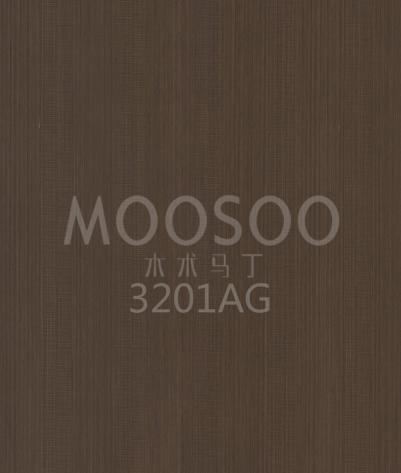
3201AG
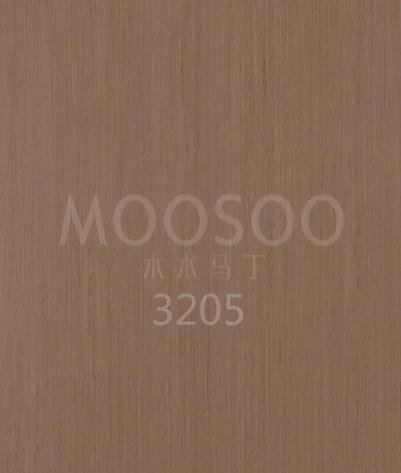
3205
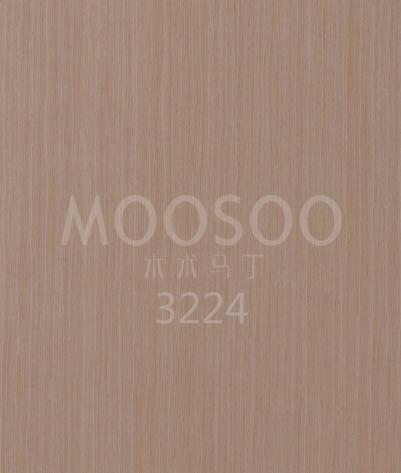
3224
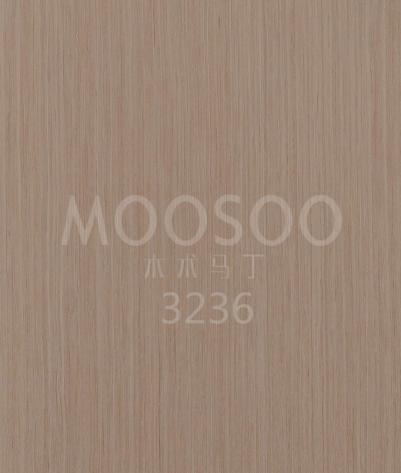
3236
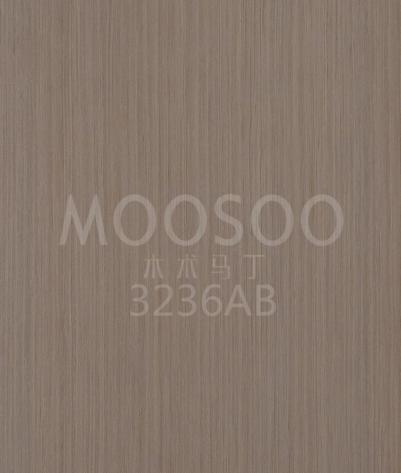
3236AB
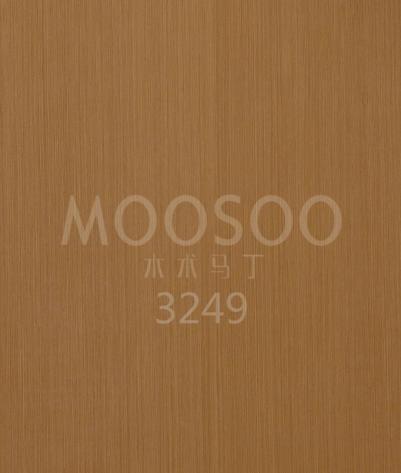
3249
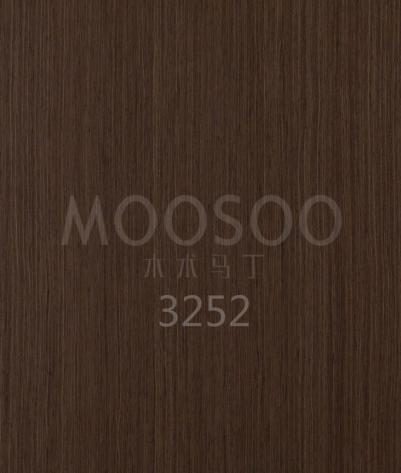
3252
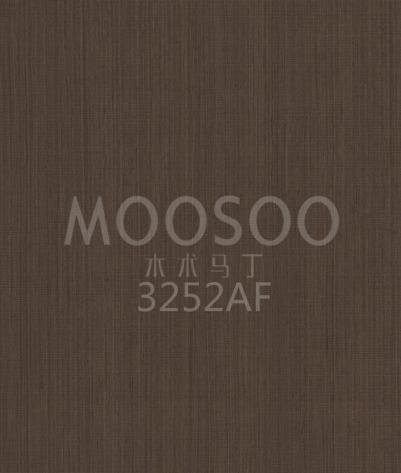
3252AF
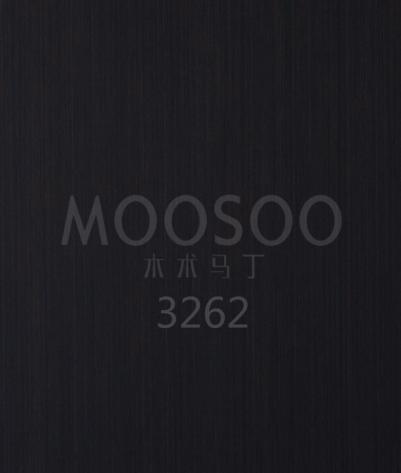
3262
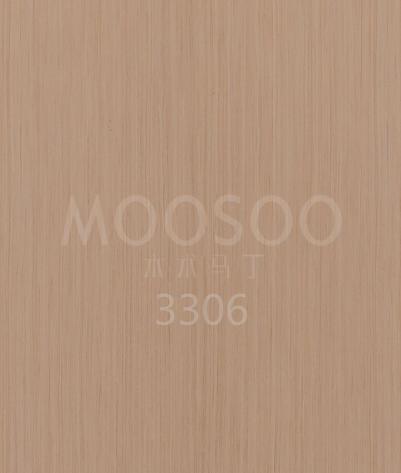
3306
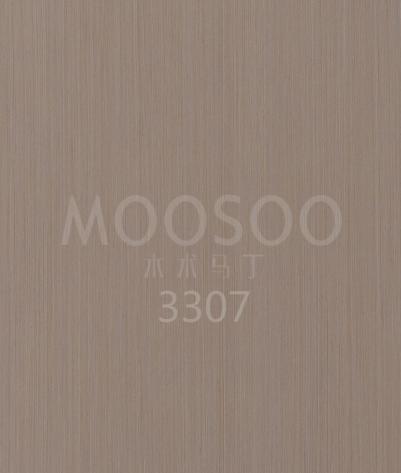
3307
Engineered wood veneer — also called reconstituted veneer or recomposed veneer — is a high-performance surfacing material manufactured by slicing, dyeing, and re-laminating fast-growing timber species (typically natural-wood substrates such as poplar, basswood, or ayous) into precision-cut sheets that faithfully replicate the aesthetic of rare or slow-growing hardwoods. Unlike solid wood or rotary-cut plywood face veneers, the engineered process gives designers consistent grain direction, repeatable colour, and zero natural defects across large production runs.
According to the Wood-Based Panel Technology reference published by the FAO/UNECE Timber Committee, reconstituted veneers can achieve dimensional tolerances within ±0.05 mm — a level of precision impossible to maintain in natural sliced veneer, which varies with seasonal growth rings and moisture content. This manufacturing consistency is the primary reason engineered wood veneer has become the material of choice for high-volume hospitality fit-outs, luxury residential millwork, and mass-production furniture.
MOOSOO's Technology Series extends these benefits further through proprietary dyeing and compression processes, enabling grain patterns — from straight-grain plank to exotic figured faces — that are simply unavailable in nature at commercial quantities. Explore the full range below, or jump directly to our Engineered Walnut Veneer, Engineered Oak Veneer, or Engineered Teak Panels product pages for detailed specifications.
The manufacturing workflow for engineered wood veneer is codified in industry standards including GB/T 22349-2008 (Wood-Based Panels — Decorative Veneer Faced Wood-Based Panels) and the European standard EN 13017-1 governing visual grading. MOOSOO's Technology Series follows — and in several steps exceeds — these benchmarks:
| Step | Process | Key Parameter |
|---|---|---|
| 1 | Log selection & debarking | FSC-certified fast-growing species; moisture content 30–60 % |
| 2 | Thermal conditioning (steaming) | 60–80 °C water bath; 12–48 h depending on species density |
| 3 | Precision rotary or flat slicing | Slice thickness 0.15–0.60 mm; tolerance ±0.02 mm |
| 4 | Dyeing & colouring | Vacuum-pressure penetration; non-toxic, REACH-compliant dyes |
| 5 | Re-assembly & cold pressing | Grain-direction lamination; pressure 8–12 kg/cm²; E0/E1 adhesive |
| 6 | Re-slicing & quality inspection | Final face thickness 0.3–0.6 mm; visual grading per EN 13017-1 |
Specifiers frequently compare engineered wood veneer against natural sliced veneer and high-pressure laminate (HPL) when selecting surface materials. The table below summarises the principal technical and commercial distinctions, drawing on data from Wood & Fiber Science (Vol. 54, 2022) and the Architectural Woodwork Standards (AWS), 3rd Edition.
| Attribute | Engineered Wood Veneer | Natural Sliced Veneer | High-Pressure Laminate |
|---|---|---|---|
| Grain consistency | Identical across batches | Varies with log & season | Photographic only |
| Natural wood feel | ✔ Real wood surface | ✔ Real wood surface | ✘ Synthetic paper/resin |
| Colour options | Virtually unlimited (dyed) | Limited to species range | Wide (printed) |
| Rare species dependency | None — replicates any species | High — endangered risk | None |
| Formaldehyde emission | E0 / CARB P2 available | E0 / CARB P2 available | Low (EN 438) |
| Typical face thickness | 0.30–0.60 mm | 0.45–0.90 mm | 0.5–1.5 mm (total) |
| Relative material cost | Moderate | Moderate–High | Low–Moderate |
| Post-forming capability | Good (thin slices) | Limited | Good (post-form grades) |
The structural versatility of engineered wood veneer makes it suitable across every scale of interior specification. Designers, architects, and OEM furniture manufacturers consistently cite four core application categories:
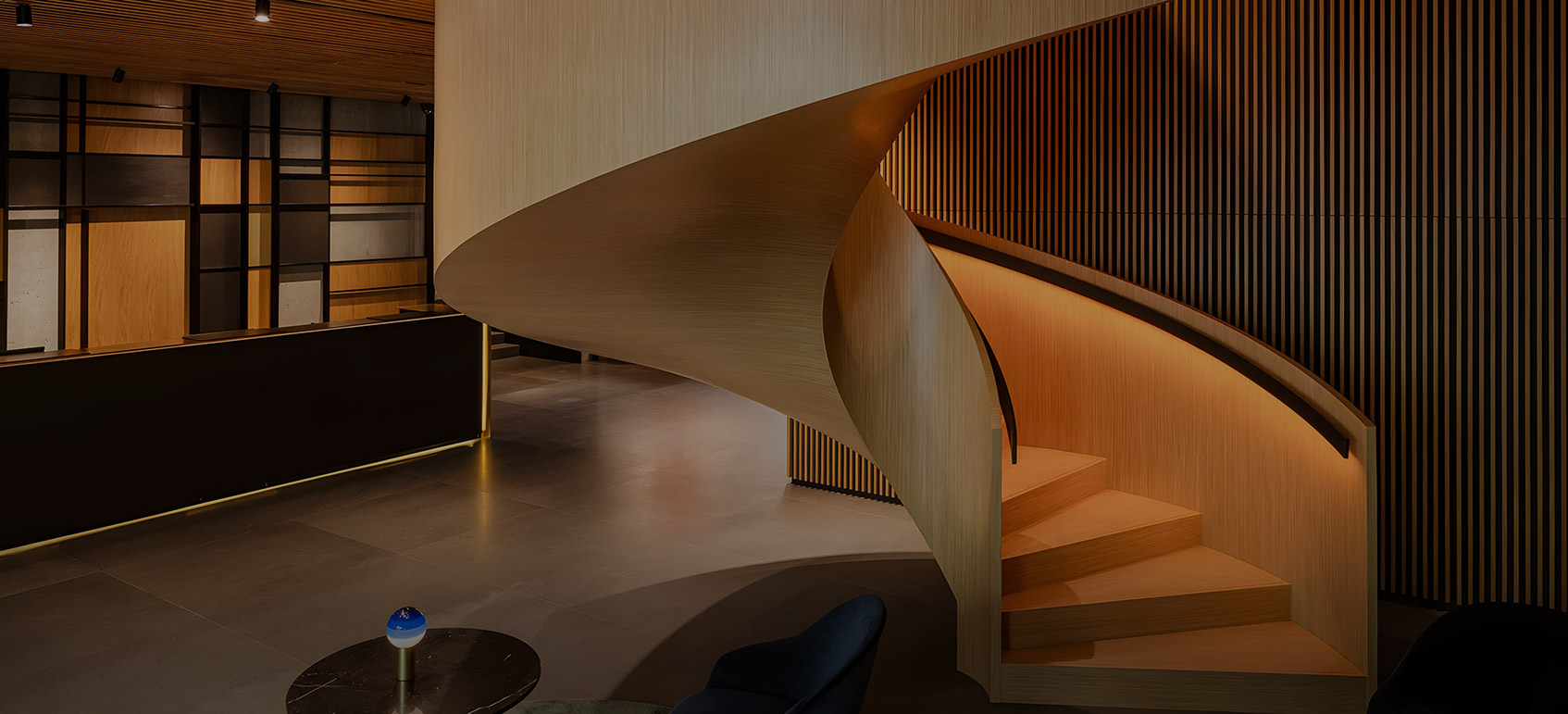
Large-format engineered oak wall panels are specified in hospitality, corporate interiors, and residential feature walls where seamless grain matching across multiple panels is non-negotiable. The reconstituted process allows complete runs of 50–200 m² from a single "log" block — a volume impossible with natural veneer.
Flat-press application to MDF, particleboard, or plywood substrates is the dominant use case. Species simulations including engineered walnut, ebony straight wood sheets, and engineered teak allow furniture brands to offer premium aesthetics at competitive price points.
Engineered wood veneer sliced at 0.5–2.0 mm is bonded to multi-ply cores to produce engineered flooring boards. The Journal of Wood Science (Nishino et al., 2020) confirms that reconstituted face veneers demonstrate superior dimensional stability compared with solid-wood wear layers under cyclic humidity conditions (20–80 % RH).
Thin, flexible engineered sheets wrap door stiles, rails, and complex profile mouldings where natural veneer would crack at tight radii. MOOSOO's straight-grain series — including Ironwood Straight Grain Plank and Eco-Friendly Straight Grain Cassia Wood — are specifically engineered for door-skin applications requiring WDMA I.S.6A compliance.
A defining advantage of engineered wood veneer over natural sliced veneer is its dramatically superior material yield. Research published in Resources, Conservation and Recycling (Vol. 182, 2022) calculated that reconstituted veneer manufacturing recovers up to 90 % of usable fibre from each log — compared with 40–55 % for conventional sliced veneer processes that discard core timber after peeling.
MOOSOO sources exclusively from FSC-certified or PEFC-certified plantation forests, primarily species with rotation cycles of 8–15 years (poplar, basswood, paulownia), versus 80–300 years for the endangered tropical hardwoods that engineered veneer is designed to replicate. This closed-loop sourcing model is independently audited against the requirements of ISO 14001:2015 Environmental Management Systems.
| Metric | Engineered Veneer | Tropical Natural Veneer |
|---|---|---|
| Log fibre utilisation | Up to 90 % | 40–55 % |
| Forest rotation cycle | 8–15 years | 80–300 years |
| Rare species dependency | None | High (CITES Appendix II risk) |
| Certification availability | FSC, PEFC, ISO 14001 | FSC (limited supply) |
| Formaldehyde standard | E0 / CARB Phase 2 | E1 / E0 (substrate-dependent) |
All products in the Technology Series ship with a comprehensive technical data sheet. General parameters are listed below; contact our technical sales team for project-specific tolerances or custom dimensions.
| Parameter | Standard Range | Custom Options |
|---|---|---|
| Face thickness | 0.30 mm / 0.45 mm / 0.60 mm | 0.15 mm – 2.0 mm on request |
| Sheet dimensions | 2500 × 640 mm (standard roll) | Up to 3200 mm length |
| Moisture content (ex-works) | 8 ± 2 % | — |
| Formaldehyde emission | E1 (< 0.12 ppm per EN 717-1) | E0 / CARB P2 (< 0.05 ppm) |
| Glue type | Urea-formaldehyde (E1) | MDI / soy-based (E0 grade) |
| Surface finishing | Raw (unfinished) | Pre-sanded, UV-oiled, paper-backed |
| MOQ | 100 m² | Contact sales for samples |
| Lead time (stock items) | 7–14 business days | 25–35 days (custom colour/grain) |
Yes. Engineered wood veneer is manufactured from 100 % real timber. The process re-arranges natural wood cells rather than simulating them — the surface is genuine wood fibre, which can be sanded, stained, oiled, or lacquered exactly like natural veneer. This distinguishes it from paper foils, PVC wraps, or melamine laminates, which are entirely synthetic.
The terms are interchangeable within the industry. "Engineered wood veneer," "reconstituted veneer," and "recomposed veneer" all describe the same product category: natural wood sliced thin, dyed to a target colour or grain pattern, laminated into a block, and re-sliced into finished veneer sheets. Regional preference dictates terminology — "engineered" is more common in North America and China; "reconstituted" predominates in Europe and Australia.
MDF (medium-density fibreboard) is the preferred substrate for flat applications because its homogeneous surface density minimises telegraphing of surface defects through the veneer face. Poplar or birch multi-ply is recommended for applications requiring structural rigidity or moisture resistance. PVA-based veneer adhesives or urea-formaldehyde (UF) glues are standard; contact cement is suitable for post-forming over curved profiles.
Durability is primarily a function of the applied finish, not the veneer itself. A UV-cured hardwax oil or polyurethane topcoat rated to EN 15186 (surface abrasion) will perform comparably with natural veneer of the same thickness. In high-traffic wall applications, a minimum 0.45 mm veneer thickness with a two-coat lacquer system is standard industry practice, as referenced in the Architectural Woodwork Standards (AWS), Section 4.
Standard engineered wood veneer is formulated for interior use (EN ISO 717 / GB/T 22349 Class A dry service conditions). Protected exterior applications — such as covered cladding under deep eaves — are possible when the veneer is bonded with WBP (Weather and Boil Proof) adhesive and finished with an exterior-grade UV-stable coating. For fully exposed outdoor façades, thermally modified engineered veneer or aluminium composite cladding are the recommended alternatives. Contact our technical team for project-specific guidance.
The Technology Series is one of three product lines available from MOOSOO. If you require the character and uniqueness of unprocessed hardwood grain, our Natural Series offers flat-cut, quarter-cut, and rift-cut faces in over 30 species. For decorative statement panels with dyed, brushed, or smoked effects, the Art Series provides bespoke visual solutions. Browse completed project case studies to see how designers around the world are specifying engineered wood veneer, or request samples and pricing directly from our Zhejiang manufacturing facility.