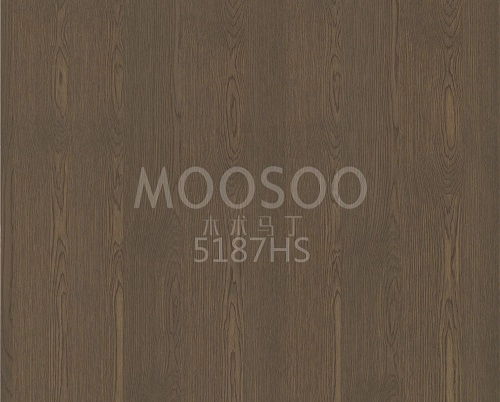
Rustic White Elm solid wood boards are increasingly appreciated for their unique combination of natural beauty, durability, and versatility. Whether you’re planning a bespoke furniture piece, a custom countertop, shelving, or decorative architectural elements, these boards offer a rich aesthetic and reliable performance that many designers and homeowners love.
Rustic White Elm wood comes from the elm tree species known for its distinctive grain patterns, interesting knots, and deep character markings. “Rustic” refers to the wood’s natural features—minor cracks, color variations, knots—that are often celebrated rather than hidden. These traits give each board a one-of-a-kind appearance that elevates any project.
Rustic White Elm boards bring an organic, lived-in feel to interiors while still feeling refined. They work well in spaces seeking warmth and character.
They’re as suitable for a cozy cottage vibe as they are for a modern, high-contrast design.
Elm wood is known for its durable structure, capable of withstanding everyday wear while resisting splitting. Its interlocking grain can make it more stable over wide surfaces compared to some straight-grained hardwoods.
When sourced responsibly, elm can be an eco-friendly option. Some suppliers specialize in reclaimed or sustainably harvested wood, reducing environmental impact.
| Wood Type | Grain Character | Common Uses | Durability |
| Rustic White Elm | Highly varied; rustic knots | Furniture, counters, shelving | Excellent |
| Maple | Smooth, tight grain | Cabinets, floors | High but more uniform |
| Walnut | Deep color, straight grain | Premium furniture | Very high |
| Oak | Prominent grain | Flooring, furniture | Very high |
Rustic White Elm stands out for its spirited grain and warm tone, offering a look less predictable than Maple or Oak and more character-driven than many hardwoods.
To preserve and enhance the beauty of rustic elm:
Start with a coarse grit and progress to finer grits. Be gentle around knots, as they can be harder than the surrounding wood.
Use a high-quality clear oil, polyurethane, or water-based finish to protect the wood and enrich its tones. Natural oils like tung or linseed can emphasize the grain.
With proper care, a white elm surface will age gracefully and often improve in look over time.
Pair a white elm board with sleek metal legs for a striking contrast between raw wood warmth and industrial cool.
Use one or two boards as floating shelves to display books and art—perfect for a cozy, layered look.
A rustic elm top on an island brings texture to clean, contemporary cabinetry.