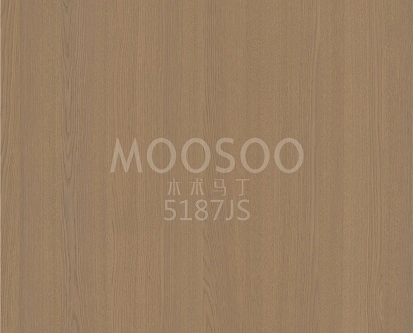
White Elm finger-jointed wood panels are high-performance engineered wood products prized for their beauty, stability, and versatility in architectural and interior design applications.
1. What Are White Elm Finger-Jointed Wood Panels?
White Elm finger-jointed wood panels are engineered wood boards constructed from multiple short lengths of White Elm lumber joined end-to-end using interlocking “finger” joints and adhesive. The result is a long, continuous panel with enhanced strength and dimensional stability compared to random-length solid wood boards.
Key terms explained:
- White Elm – A species of elm known for light color, subtle grain, and good workability.
- Finger-Jointing – A carpentry technique wherein short wood pieces are milled into interlocking “fingers” and bonded with adhesive to create longer structural members.
- Panel – A broad term for flat wood sheets used in furniture, wall cladding, cabinetry, and other architectural elements.
2. The Raw Material: White Elm
White Elm (often derived from Ulmus americana or related elm species) offers several defining characteristics:
2.1 Aesthetic Attributes
- Color: Pale cream to light brown with warm tones.
- Grain: Moderately pronounced with streaks and subtle ray patterns.
- Texture: Medium, with a smooth surface when sanded.
These visual qualities make White Elm panels desirable for spaces that call for natural wood warmth combined with contemporary simplicity.
2.2 Mechanical Properties
White Elm demonstrates:
- Good bending strength
- Moderate hardness
- Reasonable shock resistance
However, raw elm can suffer from irregular grain and checks—issues addressed through engineered panel production.
3. Finger-Jointing: Process and Purpose
3.1 How Finger-Jointing Works
- Lumber Preparation: Short White Elm pieces are trimmed for uniform moisture content.
- Finger Cutting: A specialized milling machine cuts complementary “fingers” on the ends of each piece.
- Adhesive Application: High-performance structural adhesive (often polyurethane or resorcinol based) is applied.
- Assembly & Pressing: Pieces are interlocked and pressed until the adhesive cures.
- Panel Formation: Finger-joined strips are either laminated edge-to-edge into wide panels or used as linear members.
3.2 Why Finger-Joint?
- Maximizes Yield: Uses shorter wood pieces that might otherwise be waste.
- Improves Stability: The alternating grain direction and adhesive bonds reduce warping and movement.
- Increases Strength: Mechanical interlock and glue surface area yield joint strengths often equal to or greater than the wood itself.
4. Manufacturing Specifications
4.1 Panel Sizes and Thicknesses
Typical panel sizes may include:
- Widths: 4′, 5′, and custom sizes
- Lengths: 8′, 10′, 12′, and beyond
- Thicknesses: Commonly 12 mm (1/2″) up to 25 mm (1″) or more
Custom fabrication allows for project-specific dimensions.
4.2 Grading and Surface Quality
Panels are graded based on:
- Knot size and frequency
- Color uniformity
- Surface character (clear vs. rustic)
Surface options include:
- Planed smooth
- Rough-sawn texture
- Sanded (various grit levels)
4.3 Adhesives & Standards
High-performance adhesives contribute to:
- Moisture resistance
- Joint durability
- Structural integrity
Panels may be rated per:
- ANSI/HPVA standards for hardwood panels
- CARB Phase 2 / EPA formaldehyde emissions compliance
5. Technical Characteristics
5.1 Structural Performance
Unlike solid wood boards that can warp or cup, finger-jointed panels:
- Exhibit greater straightness
- Have consistent density
- Show reduced internal stresses
Mechanical properties include:
- Modulus of Elasticity (MOE): Elevated through uniform construction
- Bending Strength: Supported by interlocked fingers and adhesives
(Exact values depend on species, grade, and manufacturing specifications.)
5.2 Moisture Behavior
Finger-joined panels are less prone to:
- Twisting
- Checking
- Uneven shrinkage
Uniform moisture content control during manufacture enhances dimensional stability.
5.3 Workability
White Elm finger-jointed panels machine well:
- Cutting & routing: Smooth edges, minimal tear-out
- Sanding: Even surface receptive to finish
- Fastening: Holds screws and nails securely
6. Finishing and Surface Treatments
White Elm panels support a range of finishes:
- Clear lacquers and oils to showcase natural grain
- Stains for color modification
- UV-cured coatings for durability
- Opaque paints for contemporary applications
Pre-finishing may be done prior to installation to:
- Reduce on-site labor
- Improve final durability
7. Applications
White Elm finger-jointed wood panels are used across sectors:
7.1 Architectural & Interior Design
- Wall paneling and feature walls
- Ceiling treatments
- Partition surfaces
- Column cladding
7.2 Furniture & Millwork
- Tabletops and cabinet doors
- Shelving and bookcases
- Built-in units with seamless grain flow
7.3 Commercial Interiors
- Retail displays
- Reception desks
- Hospitality finishes
7.4 Specialty and Custom Fabrication
- CNC-machined decorative elements
- Curved surfaces using laminated assemblies
- Integrated lighting coves
8. Advantages
| Feature |
Benefit |
| Sustainability |
Uses shorter wood pieces, reducing waste |
| Stability |
Less movement than solid wood |
| Aesthetics |
Clean linear grain and uniform panels |
| Strength |
Structural reliability through finger joints |
| Versatility |
Compatible with many finishes |
9. Limitations & Considerations
While advantageous, White Elm finger-jointed panels present some considerations:
9.1 Visible Joints
The finger joints, although neat, may be visible in clear finishes—this may be a feature or a drawback depending on design intent.
9.2 Species Characteristics
Elm can have natural variations; specifying appropriate grade is key for consistent aesthetics.
9.3 Cost Factors
Custom thicknesses or premium surface finishes can elevate project costs compared to commodity plywood or engineered alternatives.
10. Environmental and Sustainability Factors
10.1 Resource Efficiency
- Finger-jointed panels utilize smaller, lower-grade wood pieces and reduce waste.
- Efficient forestry practices further enhance sustainability.
10.2 Emissions Compliance
Panels can meet low-emitting standards:
- CARB Phase 2
- EPA TSCA Title VI
These certifications are important for health-focused projects.
11. Specification Checklist for Designers & Architects
Before specifying White Elm finger-jointed panels:
- Define grade (clear, select, character)
- Confirm thickness and size
- Establish surface finish (raw, sanded, lacquered)
- Validate emissions compliance
- Assess application environment (humidity, wear)
- Coordinate joint orientation with design aesthetics
12. Installation Tips
- Acclimate panels to job site humidity before installation.
- Use appropriate fasteners and adhesives.
- Maintain consistent seam alignment for visual continuity.
- Seal edges and ends, especially in moisture-prone areas.
13. Maintenance and Longevity
With proper care, White Elm finger-jointed wood panels can last decades:
- Regular dusting and gentle cleaning
- Avoid excessive moisture
- Periodic re-finishing in high-traffic areas
White Elm finger-jointed wood panels blend the natural beauty of hardwood with engineered performance. Their stability, aesthetic appeal, and versatility make them a compelling choice in both residential and commercial applications. By understanding their technical attributes and specifying them thoughtfully, designers and builders can achieve enduring and visually striking results.